|

Cancer Medicine by Alexandros G.Sfakianakis,Anapafseos 5 Agios Nikolaos,Crete 72100,Greece,tel :00302841026182 & 00306932607174
Κυριακή 20 Δεκεμβρίου 2020
Naltrexone’s Impact on Cancer Progression and Mortality: A Systematic Review of Studies in Humans, Animal Models, and Cell Cultures




Pharmacokinetics and Bioequivalence of Cefprozil for Suspension and Granule Formulation in Healthy Chinese Volunteers: Two Single-Dose Crossover Studies
|
Targeted Use of Prednisolone with Intravenous Immunoglobulin for Kawasaki Disease
|
Walking the line: mechanisms underlying directional mRNA transport and localisation in neurons and beyond
|
Παρασκευή 18 Δεκεμβρίου 2020
Obstetrics & Gynecology
Postscript No abstract available |
Stand up for Equity No abstract available |
Incorporating Preexposure Prophylaxis Into Routine Reproductive Health Care No abstract available |
Low Human Immunodeficiency Virus (HIV) Testing Rates and No HIV Preexposure Prophylaxis Prescribed Among Female Patients Diagnosed With a Sexually Transmitted Infection, 2017–2018 No abstract available |
Evaluating the Association of Stillbirths After Maternal Vaccination in the Vaccine Safety Datalink OBJECTIVE: To evaluate whether the Centers for Disease Control and Prevention's Advisory Committee on Immunization Practices recommended influenza and tetanus toxoid, reduced diphtheria toxoid, and acellular pertussis (Tdap) vaccinations in pregnancy are associated with increased risk of stillbirth. METHODS: We performed a case–control study in the Vaccine Safety Datalink that was matched 1:4 on site, month, and year of last menstrual period, comparing the odds of vaccination in pregnancies that ended in stillbirth (defined as fetal loss at or after 20 weeks of gestation) compared with those that ended in live birth from January 1, 2012, to September 30, 2015. We included patients with singleton pregnancies that ended in stillbirth or live birth who had at least one prenatal care visit, pregnancy dating information, and continuous health plan enrollment for the duration of pregnancy. Medical records for all stillbirths were reviewed. We were statistically powered to detect an odds ratio (OR) of 1.37 when evaluating the association between influenza or Tdap vaccination and stillbirth. We also examined stillbirth rates in pregnant patients aged 14–49 years in the Vaccine Safety Datalink between 2007 and 2015. RESULTS: In our matched analysis of 795 confirmed stillbirths in the case group and 3,180 live births in the control group, there was no significant association between influenza vaccination during pregnancy and stillbirth (343/795 [43.1%] stillbirths in the case group vs 1,407/3,180 [44.3%] live births in the control group, OR 0.94, adjusted OR 0.95, 95% CI 0.79–1.14, P=.54) and no significant association between Tdap vaccination during pregnancy and stillbirth (184/795 [23.1%] stillbirths in the case group vs 746/3,180 [23.5%] live births in the control group, OR 0.97, aOR 0.96, 95% CI 0.76–1.28, P=.91). From 2007 to 2015, the stillbirth rate in the Vaccine Safety Datalink was 5.2 per 1,000 live births and stillbirths. CONCLUSION: No association was found between vaccination during pregnancy and the odds of stillbirth. These findings support the safety of ACIP recommendations for vaccination during pregnancy. |
Characteristics of Stillbirths Associated With Diabetes in a Diverse U.S. Cohort OBJECTIVE: To characterize stillbirths associated with pregestational diabetes and gestational diabetes mellitus (GDM) in a large, prospective, U.S. case–control study. METHODS: A secondary analysis of stillbirths among patients enrolled in a prospective; multisite; geographically, racially, and ethnically diverse case–control study in the United States was performed. Singleton gestations with complete information regarding diabetes status and with a complete postmortem evaluation were included. A standard evaluation protocol for stillbirth cases included postmortem evaluation, placental pathology, clinical testing as performed at the discretion of the health care professional, and a recommended panel of tests. A potential cause of death was assigned to stillbirth cases using a standardized classification tool. Demographic and delivery characteristics among women with pregestational diabetes and GDM were compared with characteristics of women with no diabetes in pairwise comparisons using χ2 or two-sample t tests as appropriate. Sensitivity analysis was performed excluding pregnancies with genetic conditions or major fetal malformations. RESULTS: Of 455 stillbirth cases included in the primary analysis, women with stillbirth and diabetes were more likely to be older than 35 years and have a higher body mass index. They were also more likely to have a gestational hypertensive disorder than women without diabetes (28% vs 9.1%; P<.001). Women with pregestational diabetes had more large-for-gestational-age (LGA) neonates (26% vs 3.4%; P<.001). Stillbirths occurred more often at term in women with pregestational diabetes (36%) and those with GDM (52%). Maternal medical complications, including pregestational diabetes and others, were more often identified as a probable or possible cause of death among stillbirths with maternal diabetes (43% vs 4%, P<.001) as compared with stillbirths without diabetes. CONCLUSION: Compared with stillbirths in women with no diabetes, stillbirths among women with pregestational diabetes and GDM occur later in pregnancy and are associated with hypertensive disorders of pregnancy, maternal medical complications, and LGA. |
Universal Severe Acute Respiratory Syndrome Coronavirus 2 (SARS-COV-2) Testing Uptake in the Labor and Delivery Unit: Implications for Health Equity OBJECTIVE: To understand severe acute respiratory syndrome coronavirus 2 (SARS-CoV-2) testing uptake in the labor and delivery unit and rationales for declining testing, and to institute a process to increase equitable testing uptake. METHODS: We conducted a quality-improvement initiative from May 28–June 25, 2020, during the first 4 weeks of universal SARS-CoV-2 testing in the Barnes-Jewish Hospital labor and delivery unit. All consecutive patients presenting for delivery without coronavirus disease 2019 (COVID-19) symptoms were offered testing over four 1-week phases. Phase I documented the rate of testing uptake. Phase II recorded patients' reasons for declining testing. Phase III used phase II findings to create and implement shared decision-making tools. Phase IV offered each patient who declined nasopharyngeal testing an oropharyngeal alternative. The primary outcome was rate of SARS-CoV-2 testing uptake by phase. RESULTS: Of 270 patients, 223 (83%) accepted testing and 47 (17%) declined. Maternal age and mode of delivery were similar between groups, whereas testing uptake was higher among nulliparous, White, Hispanic, or privately insured patients. There was a significant increase in the primary outcome of SARS-CoV-2 testing across phases I–IV, from 68% to 76% to 94% to 95%, respectively (Somers' D 0.45; 95% CI of association 0.30–0.59). The most commonly cited reason for declining testing was concern regarding testing discomfort. In subgroup analyses by race and insurance type, there was a significant increase in testing uptake across phases I–IV for Black patients (56%, 54%, 91%, 92%; Somers' D 0.36; 95% CI of association 0.28–0.64), White patients (76%, 93%, 96%, 100%; Somers' D 0.59; 95% CI of association 0.38–0.8), those with Medicaid insurance (60%, 64%, 88%, 92%; 95%; Somers' D 0.39; CI of association 0.22 to 0.56), and those with private insurance (77%, 96%, 97%, 100%; Somers' D 0.63; 95% CI of association 0.40–0.86). CONCLUSION: Universal SARS-CoV-2 testing uptake significantly increased through a rapid-cycle improvement initiative. Aligning hospital policy with patient-centered approaches led to nearly universally acceptable testing. |
High Concentrations of Nitric Oxide Inhalation Therapy in Pregnant Patients With Severe Coronavirus Disease 2019 (COVID-19) BACKGROUND: Rescue therapies to treat or prevent progression of coronavirus disease 2019 (COVID-19) hypoxic respiratory failure in pregnant patients are lacking. METHOD: To treat pregnant patients meeting criteria for severe or critical COVID-19 with high-dose (160–200 ppm) nitric oxide by mask twice daily and report on their clinical response. EXPERIENCE: Six pregnant patients were admitted with severe or critical COVID-19 at Massachusetts General Hospital from April to June 2020 and received inhalational nitric oxide therapy. All patients tested positive for severe acute respiratory syndrome coronavirus 2 (SARS-CoV-2) infection. A total of 39 treatments was administered. An improvement in cardiopulmonary function was observed after commencing nitric oxide gas, as evidenced by an increase in systemic oxygenation in each administration session among those with evidence of baseline hypoxemia and reduction of tachypnea in all patients in each session. Three patients delivered a total of four neonates during hospitalization. At 28-day follow-up, all three patients were home and their newborns were in good condition. Three of the six patients remain pregnant after hospital discharge. Five patients had two negative test results on nasopharyngeal swab for SARS-CoV-2 within 28 days from admission. CONCLUSION: Nitric oxide at 160–200 ppm is easy to use, appears to be well tolerated, and might be of benefit in pregnant patients with COVID-19 with hypoxic respiratory failure. |
Excess Maternal Deaths Associated With Coronavirus Disease 2019 (COVID-19) in Mexico No abstract available |
Clinical Presentation of Coronavirus Disease 2019 (COVID-19) in Pregnant and Recently Pregnant People OBJECTIVE: To describe the clinical presentation, symptomology, and disease course of coronavirus disease 2019 (COVID-19) in pregnancy. METHODS: The PRIORITY (Pregnancy CoRonavIrus Outcomes RegIsTrY) study is an ongoing nationwide prospective cohort study of people in the United States who are pregnant or up to 6 weeks postpregnancy with known or suspected severe acute respiratory syndrome coronavirus 2 (SARS-CoV-2) infection. We analyzed the clinical presentation and disease course of COVID-19 in participants who tested positive for SARS-CoV-2 infection and reported symptoms at the time of testing. RESULTS: Of 991 participants enrolled from March 22, 2020, until July 10, 2020, 736 had symptoms of COVID-19 at the time of testing; 594 tested positive for SARS-CoV-2 infection and 142 tested negative in this symptomatic group. Mean age was 31.3 years (SD 5.1), and 37% will nulliparous. Ninety-five percent were outpatients. Participants who tested positive for SARS-CoV-2-infection were a geographically diverse cohort: 34% from the Northeast, 25% from the West, 21% from the South, and 18% from the Midwest. Thirty-one percent of study participants were Latina, and 9% were Black. The average gestational age at enrollment was 24.1 weeks, and 13% of participants were enrolled after pregnancy. The most prevalent first symptoms in the cohort of patients who tested positive for SARS-CoV-2 infection were cough (20%), sore throat (16%), body aches (12%), and fever (12%). Median time to symptom resolution was 37 days (95% CI 35–39). One quarter (25%) of participants who tested positive for SARS-CoV-2 infection had persistent symptoms 8 or more weeks after symptom onset. CONCLUSION: COVID-19 has a prolonged and nonspecific disease course during pregnancy and in the 6 weeks after pregnancy. CLINICAL TRIAL REGISTRATION: ClinicalTrials.gov, NCT04323839. |
Πέμπτη 17 Δεκεμβρίου 2020
Ophthalmology Clinics
| COVID-19 and the Eye: A Comprehensive Review of the Literature No abstract available |
A Review and Update on Surgical Management of Intraocular Lens Dislocation No abstract available |
| Updates in the Management of Corneal Ectasia No abstract available |
| Review: Optimizing DMEK Technique, 2018-2020 No abstract available |
Recent Advances in Pediatric Endothelial Keratoplasty No abstract available |
Recent Updates in Femtosecond Laser-assisted Cataract Surgery No abstract available |
| Alpha-Gal Syndrome in Ophthalmology and Medicine: Erratum No abstract available |
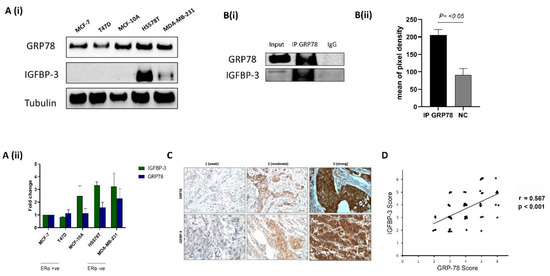
Cancers, Vol. 12, Pages 3821: Interaction between GRP78 and IGFBP-3 Affects Tumourigenesis and Prognosis in Breast Cancer Patients
|