Τρίτη 19 Ιανουαρίου 2021

The role of the glutamine transporter ASCT2 in antineoplastic therapy

Cancer shared this article with you from Inoreader

280.jpg

Abstract

Cancer cells are metabolically reprogrammed to support their high rates of proliferation, continuous growth, survival, invasion, metastasis, and resistance to cancer treatments. Among changes in cancer cell bioenergetics, the role of glutamine metabolism has been receiving increasing attention. Increased glutaminolysis in cancer cells is associated with increased expression of membrane transporters that mediate the cellular uptake of glutamine. ASCT2 (Alanine, Serine, Cysteine Transporter 2) is a Na+-dependent transmembrane transporter overexpressed in cancer cells and considered to be the primary transporter for glutamine in these cells. The possibility of inhibiting ASCT2 for antineoplastic therapy is currently under investigation. In this article, we will present the pharmacological agents currently known to act on ASCT2, which have been attracting attention in antineoplastic therapy research. We will also address the impact of ASCT2 inhibition on t he prognosis of some cancers. We conclude that ASCT2 inhibition and combination of ASCT2 inhibitors with other anti-tumor therapies may be a promising antineoplastic strategy. However, more research is needed in this area.

View on the web

Glutaminolysis is a metabolic route essential for survival and growth of prostate cancer cells and a target of 5α-dihydrotestosterone regulation

Cancer shared this article with you from Inoreader

13402.jpg

Abstract

Purpose

Resistance to androgen-deprivation therapies and progression to so-called castrate-resistant prostate cancer (CRPC) remain challenges in prostate cancer (PCa) management and treatment. Among other alterations, CRPC has been associated with metabolic reprogramming driven by androgens. Here, we investigated the role of androgens in regulating glutaminolysis in PCa cells and determined the relevance of this metabolic route in controlling the survival and growth of androgen-sensitive (LNCaP) and CRPC (DU145 and PC3) cells.

Methods

PCa cells (LNCaP, DU145 and PC3) and 3-month old rats were treated with 5α-dihydrotestosterone (DHT). Alternatively, LNCaP cells were exposed to the glutaminase inhibitor BPTES, alone or in combination with the anti-androgen bicalutamide. Biochemical, Western blot and extracellular flux assays were used to evaluate the viability, proliferation, migration and metabolism of PCa cells in response to DHT treatment or glutaminase inhibition.

Results

We found that DHT up-regulated the expression of the glutamine transporter ASCT2 and glutaminase, both in vitro in LNCaP cells and in vivo in rat prostate cells. BPTES diminished the viability and migration of PCa cells, while increasing caspase-3 activity. CRPC cells were found to be more dependent on glutamine and more sensitive to glutaminase inhibition. BPTES and bicalutamide co-treatment had an additive effect on suppressing LNCaP cell viability. Finally, we found that inhibition of glutaminolysis differentially affected glycolysis and lipid metabolism in both androgen-sensitive and CRPC cells.

Conclusion

Our data reveal glutaminolysis as a central metabolic route controlling PCa cell fate and highlight the relevance of targeting glutaminase for CRPC treatment.

View on the web

Efficacy of salvage stereotactic radiotherapy (SRT) for locally recurrent brain metastases after initial SRT and characteristics of target population

Cancer shared this article with you from Inoreader

12094.jpg

Abstract

Objectives

Due to a steadily growing use of stereotactic radiotherapy (SRT) for treatment of brain metastases (BMs), the in-field failure after an initial stereotaxy is an increasingly frequent problem. Repeat stereotactic radiotherapy (re-SRT) shows encouraging results in terms of local control. However, the evidence on prognostic factors limiting the overall survival (OS) of re-treated patients is scarce. Here, we sought to analyze the patients' and treatment characteristics influencing the survival outcomes after re-SRT.

Methods

Data of all patients with local failure of initial SRT treated from 2012 to 2019 were retrospectively reviewed and cases treated with salvage SRT were analyzed. We analyzed the impact of patients' and treatment characteristics on overall survival after re-SRT by Kaplan–Meier method and Cox regression models. Local and distant brain control, cause of death, and radionecrosis rate were also assessed.

Results

Forty-seven patients with 55 BMs treated with re-SRT were evaluated. Median OS after re-SRT was 9.2 months and the overall local control was 83.6%. Nine BMs (16.4%) presented local relapse (LR), 12 (21.8%) radionecrosis, while 21 patients (44.7%) developed new BMs. Only absence of extracranial metastases at BMs diagnosis (HR 0.42, CI 95%; 0.18–0.97), extracranial disease progression (HR 2.39, CI 95%; 1.06–5.38) and distant brain failure (HR 3.94, CI 95%; 1.68–9.24) after re-SRT were significantly associated with patients' survival. Extracranial progression following re-SRT was an independent prognosticator of worse OS.

Conclusion

Re-SRT after LR presented excellent local control with acceptable RN rate and improved patients' survival, limited mainly by extracranial and distant brain progression.

View on the web

Variant of SNPs at lncRNA NEAT1 contributes to gastric cancer susceptibility in Chinese Han population

Cancer shared this article with you from Inoreader

10147.jpg

Abstract

Background

The long noncoding RNA (lncRNA) nuclear-enriched abundant transcript 1 (NEAT1) has been implicated in many tumors risk including gastric cancer. However, the association of single nucleotide polymorphisms (SNPs) at NEAT1 with gastric cancer risk has not been studied. The aim of this study was to investigate the association between SNPs in NEAT1 and gastric cancer susceptibility.

Methods

In this study, four SNPs in lncRNA NEAT1 were selected for genotyping in 484 gastric cancer patients and 484 controls in Chinese Han population. Quantitative real-time PCR (qRT-PCR) was conducted to evaluate the potential function of rs3825071. Attributable risk percentage (ARP) and population attributable risk percentage (PARP) were used to assess the epidemiological effect.

Results

In the dominant model (GG), the genotypes AG + AA of rs3825071 and rs7943779 were associated with an increased risk of gastric cancer (OR = 1.72, 95%CI = 1.27–2.32 and OR = 1.63, 95%CI = 1.19–2.22). Individuals harboring ≥ 3 risk alleles have higher risk of gastric cancer (OR = 1.88, 95% CI = 1.26–2.80, P = 0.002). ARP and PARP associated with gastric cancer were 42.53% and 10.88% for rs3825071, and were 33.78% and 6.26% for rs7943779, respectively. Furthermore, compared with the genotype GG of rs3825071, the genotypes AG and AA had higher expression of NEAT1.

Conclusions

We found that the genetic variations in NEAT1 were significantly associated with risk of gastric cancer. The G > A variant of rs3825071 may confer gastric cancer susceptibility by changed biological effects to increase the expression of NEAT1.

View on the web

Brachytherapy boost (BT-boost) or stereotactic body radiation therapy boost (SBRT-boost) for high-risk prostate cancer (HR-PCa)

Cancer shared this article with you from Inoreader

1-s2.0-S1278321820X00084-cov150h.gif

Publication date: Available online 18 January 2021

Source: Cancer/Radiothérapie

Author(s): G. Peyraga, T. Lizee, J. Khalifa, E. Blais, G. Mauriange-Turpin, S. Supiot, S. Krhili, P. Tremolieres, P. Graff-Cailleaud

View on the web

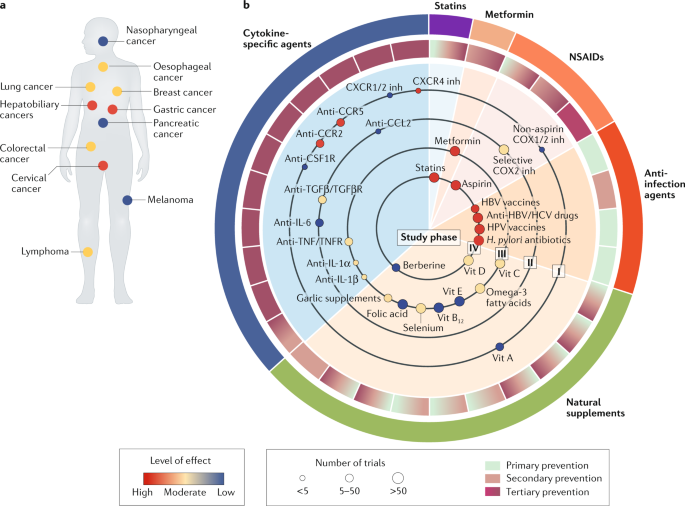
Targeting cancer-promoting inflammation — have anti-inflammatory therapies come of age?

Cancer shared this article with you from Inoreader

41571_2020_459_Fig1_HTML.png

View on the web

Hypoxia-inducible miR-196a modulates glioblastoma cell proliferation and migration through complex regulation of NRAS

Cancer shared this article with you from Inoreader

13402.jpg

Abstract

Background

Glioblastoma (GBM) is the most common and aggressive malignant brain tumor in humans. Hypoxia has been correlated with the aggressive form of glial tumors, poor prognosis, recurrence and resistance to various therapies. MicroRNAs (miRNAs) have emerged as critical mediators of hypoxic responses and have shown great potential for cancer diagnostics and therapeutics. Here, we focus on the regulatory and functional characterization of miR-196a, a hypoxia-inducible miRNA, in GBM.

Methods

Hypoxia/HIF regulation of miR-196a was assessed by RT-qPCR, promoter-luciferase and ChIP assays in GBM cell lines. miR-196a levels were analyzed in The Cancer Genome Atlas (TCGA)-GBM, Chinese Glioma Genome Atlas (CGGA) and Indian GBM patient cohorts. miR-target interactions were studied using RNA/protein quantification and 3'UTR luciferase assays. The effect of miR-196a overexpression/inhibition was assessed on cellular viability, migration and apoptosis under hypoxia and normoxia. Microarray-based gene expression profiling studies were performrd to study the effect of miR-196a on the GBM cellular transcriptome under hypoxia.

Results

We identified miR-196a as a hypoxia-inducible and hypoxia-inducible factor (HIF)-regulated miRNA that plays an oncogenic role in GBM. miR-196a was found to be significantly up-regulated in TCGA-GBM, CGGA glioma as well as Indian GBM patient cohorts. miR-196a overexpression was found to induce cellular proliferation, migration, spheroid formation and colony formation and to inhibit apoptosis, while miR-196a inhibition using anti-miR-196a yielded opposite results, suggesting an oncogenic role of miR-196a in GBM. We further unveiled NRAS, AJAP1, TAOK1 and COL24A1 as direct targets of miR-196a. We also report a complex competitive regulation of oncogenic NRAS by miR-196a, miR-146a and let-7 in GBM. Analysis of microarray-based gene expression data obtained by miR-196a inhibition under hypoxia revealed a role of miR-196a in HIF, calcium adhesion, Wnt and cell adhesion pathways. Interestingly, miR-196a was found to positively regulate the expression of various genes involved in the induction or stabilization of HIFs and in maintenance of hypoxic conditions, thereby suggesting the existence of an indirect miR-196a/HIF positive feedback loop under hypoxia.

Conclusions

Overall, our work identifies a novel association between hypoxia/HIF signalling and miR-196a in GBM and suggests its therapeutic significance.


View on the web