Τετάρτη 30 Μαρτίου 2022

Systemic Steroids for Otolaryngology–Head and Neck Surgery Disorders: An Evidence-Based Primer for Clinicians

paythelady.61 shared this article with you from Inoreader
Otolaryngology–Head and Neck Surgery, Ahead of Print.
ObjectiveTo offer pragmatic, evidence-informed guidance on the use of systemic corticosteroids (SCS) for common otolaryngologic disorders.Data SourcesPubMed, Cochrane Library, and American Academy of Otolaryngology–Head and Neck Surgery Foundation clinical practice guidelines.Review MethodsA comprehensive search of published literature through November 2021 was conducted on the efficacy of SCS, alone or in combination with other treatments, for managing disorders in otolaryngology and the subdisciplines. Clinical practice guidelines, systematic reviews, and randomized controlled trials, when available, were preferentially retrieved. Interventions and outcomes of SCS use were compiled to generate summary tables and narrative synthesis of findings.ConclusionsEvidence on the effectiveness of SCS varies widely across otolaryngology disorders. High-level evidence supports SCS use for Bell's palsy, sinonasal polyposis, a nd lower airway disease. Conversely, evidence is weak or absent for upper respiratory tract infection, eustachian tube dysfunction, benign paroxysmal positional vertigo, adenotonsillar hypertrophy, or nonallergic rhinitis. Evidence is indeterminate for acute laryngitis, acute pharyngitis, acute sinusitis, angioedema, chronic rhinosinusitis without polyps, Ménière's disease, postviral olfactory loss, postoperative nerve paresis/paralysis, facial pain, and sudden sensorineural hearing loss.Implications for PracticeClinicians should bring an evidence-informed lens to SCS prescribing to best counsel patients regarding the risks, anticipated benefits, and limited data on long-term effects. Alternate routes of corticosteroid administration—such as sprays, drops, inhalers, and intralesional injections—may be preferable for many disorders, particularly those that are self-limited or require a prolonged duration of therapy. Prudent use of SCS reduces the risk of medication-related ad verse effects. Clinicians who are conversant with high-level evidence can achieve optimal outcomes and stewardship when prescribing SCS.
View on the web

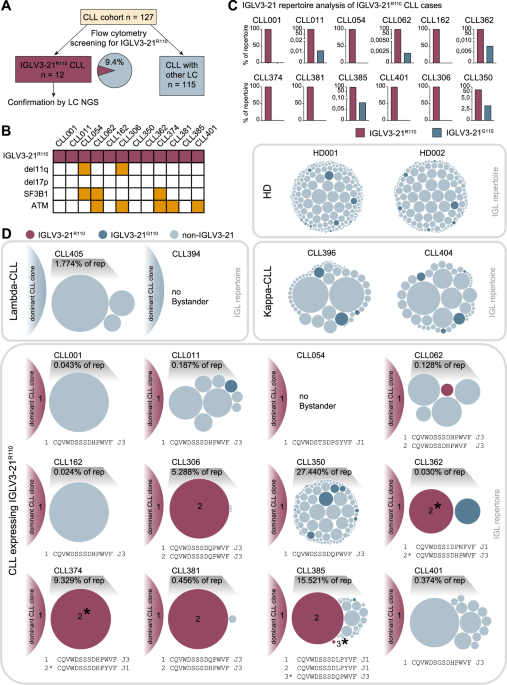
Subclonal heterogeneity sheds light on the transformation trajectory in IGLV3-21R110 chronic lymphocytic leukemia

paythelady.61 shared this article with you from Inoreader

41408_2022_650_Fig1_HTML.png

Blood Cancer Journal, Published online: 30 March 2022; doi:10.1038/s41408-022-00650-4

Subclonal heterogeneity sheds light on the transformation trajectory in IGLV3-21R110 chronic lymphocytic leukemia
View on the web

Comparison of the Osteogenic Effectiveness of an Autogenous Demineralized Dentin Matrix and Bio-Oss® in Bone Augmentation: A Systematic Review and Meta-analysis

paythelady.61 shared this article with you from Inoreader

1-s2.0-S0266435621X00113-cov150h.gif

Publication date: Available online 29 March 2022

Source: British Journal of Oral and Maxillofacial Surgery

Author(s): Yanfei Li, Wanhang Zhou, Peiyi Li, Qipei Luo, Anqi Li, Xinchun Zhang

View on the web

Cancer Risk Associated with Continuous Positive Airway Pressure: A National Study

paythelady.61 shared this article with you from Inoreader

Objective

In 2021 the U.S. FDA issued a Class 1 safety recall notice for specific devices due to a risk of carcinogen exposure. The objective of this study was to evaluate reports of cancer linked to CPAP devices to understand implications for the field of sleep medicine.

Methods

Cases of cancer involving CPAP devices were retrieved from the MAUDE database from 2014 to 2021 and analyzed with descriptive statistics.

Results

A total of 2571 patient injuries were associated with CPAP. Reports of cancer (n = 209; 4.62%) were the second most commonly documented patient problem associated with CPAP, although 1950 (43.13%) patients had a device problem without an associated injury. Of the 209 cancer cases associated with CPAP, 200 (95.7%) of the adverse event reports were received by the FDA in 2021. There were 174 (9.15%) descriptions of the CPAP polyurethane sound abatement foam degrading in association with a cancer diagnosis, but degradation was more commonly not associated with malignancy (n = 1728; 90.85%). Other frequently documented CPAP device problems included broken devices (n = 279; 6.92%), fire (n = 182; 4.51%), and patient–device incompatibility (n = 144; 3.57%).

Conclusion

Malignancy associated with CPAP devices has been reported; however, future studies are required to establish causation. Given 95.7% of those documented cases were reported in 2021, otolaryngologists should be prepared to discuss the risks of carcinogenesis associated with CPAP. The otolaryngology community should also be aware of the potential bandwagon effect and the implications for CPAP compliance.

Level of Evidence

4 Laryngoscope, 2022

View on the web

Advances in Surgical Treatment of Rhinitis

paythelady.61 shared this article with you from Inoreader

Abstract

Purpose of Review

Rhinitis is a heterogeneous diagnosis characterized by the presence of several nasal symptoms and it is only when pharmacotherapy fails that surgical treatment is considered. Over the years, multiple surgical techniques and approaches have been proposed to treat these patients. We aim to present a comprehensive literature review of the surgical management of rhinitis, including the most recent techniques and long-term outcome evaluations.

Recent Findings

Endoscopic techniques targeting the inferior turbinates, septum, and the parasympathetic neural supply to the nasal mucosa have evolved over the years to surgically address rhinitis; better understanding of rhinitis physiopathology has prompted the development of less invasive techniques with potentially similar outcomes and decreased morbidity.

Summary

For the management of allergic rhinitis, isolated outfracture of the inferior turbinate remains the least invasive technique and classical submucosal resection remains very much in favor among practitioners. A variety of methods to achieve adequate submucosal reduction of the inferior turbinate are also discussed, including the microdebrider, radiofrequency ablation, and coblation techniques. Regarding non allergic rhinitis, we assess both endoscopic vidian neurectomy and posterior nasal nerve neurectomy, two broadly effective, but elaborate, options necessitating general anesthesia and a visit to the operating room. We also discuss cryoablation of the posterior nasal nerve, which presents as a minimally invasive technique that can be performed as an in-office procedure.

View on the web

Key Points on Functional Rhinoplasty Patient Evaluation

paythelady.61 shared this article with you from Inoreader

Abstract

Purpose of Review

The goal of this review is to discuss the key points in the evaluation of patients for functional nasal airway surgery to help optimize outcomes.

Recent Findings

Development of the clinical practice guideline for rhinoplasty was a recent effort to guide perioperative care and workup of patients undergoing rhinoplasty. This guideline highlighted the importance of patient reported outcome measures (PROMs) in evaluating surgical outcomes. There has also been an increase in publications regarding intervention in the pediatric population. Finally, there has been more work into the exact mechanics of nasal airway obstruction and lateral wall insufficiency.

Summary

Functional rhinoplasty lacks clear objective tests to help guide surgery. PROMs are important in evaluating surgical outcomes and advances in technology such as computational fluid dynamics, and virtual surgical planning will hopefully provide insight into airflow patterns and where surgical intervention should be focused to maximize patient outcomes.

View on the web

Anatomical variations in the relationship between the spinal accessory nerve and internal jugular vein: a systematic review and meta-analysis

paythelady.61 shared this article with you from Inoreader
The relationship between the spinal accessory nerve and internal jugular vein is important for modified neck dissection surgery. Therefore, the aim of this review was to investigate variations in this relationship. Through a search of the PubMed, Scopus, Web of Science, LILACS, and SciELO databases, the review authors collected anatomical data for inclusion in a meta-analysis, following the Preferred Reporting Items for Systematic Reviews and Meta-Analyses guidelines. Four relationship patterns were identified and classified: type 1, the nerve lies superficial to the vein; type 2, the nerve lies deep to the vein; type 3, the nerve crosses the branches of the vein; type 4, the nerve splits and its branches pass around the vein.
View on the web