Κυριακή 3 Απριλίου 2022

Cervical Necrotizing Fasciitis and Free Tissue Transfer

paythelady.61 shared this article with you from Inoreader
Annals of Otology, Rhinology &Laryngology, Ahead of Print.
Objectives:Aggressive surgical debridement is required in cervical necrotizing fasciitis, and in severe defects, subsequent free tissue transfer might be necessary. However, there is concern that the inflammatory environment of the infection site may threaten free flap viability, particularly with concerns for thrombosis of feeding vessels and compromised tissue integration. Cases in the head and neck area are rare, so there are limited data regarding outcomes of free tissue transfer in these patients.Methods:A retrospective chart review assessed patients with cervical necrotizing fasciitis treated at an academic tertiary hospital between 2015 and 2021. Twenty-five patients were identified, and eight required free tissue transfer after adequate surgical debridement. Treatment, hospital course, and demographic data were collected on these eight patients.Results:All flaps had full survival at follow up (median fol low up 3 months, range 1-39 months) without concerns for vascular compromise.Conclusion:These data suggest that in patients with large soft tissue defects due to cervical necrotizing fasciitis, free tissue transfer may be a safe treatment modality.
View on the web

Benign paroxysmal positional vertigo

paythelady.61 shared this article with you from Inoreader
Benign paroxysmal positional vertigo (BPPV) is characterized by positional vertigo (brief attacks of rotatory vertigo triggered by head position changes in the direction of gravity) and is the most common peripheral cause of vertigo. There are two types of BPPV pathophysiology: canalolithiasis and cupulolithiasis. In canalolithiasis, otoconial debris is detached from the otolithic membrane and floats freely within the endolymph of the canal. In cupulolithiasis, the otoconial debris released from the otolithic membrane settles on the cupula of the semicircular canal and the specific gravity of the cupula is increased.
View on the web

Πέμπτη 31 Μαρτίου 2022

At least 3 years of self-responsibility for periodontal care after 2 years of supportive periodontal therapy

paythelady.61 shared this article with you from Inoreader

784.jpg

Abstract

Objectives

This study aimed to investigate the periodontal condition when patients became self-responsible for the continuation of periodontal care, after non-surgical periodontal therapy and 2 years of Supportive Periodontal Therapy (SPT).

Materials and methods

Fifty-seven patients completed a previous 2-year SPT study and were afterward advised to seek for dental assistance for maintenance care. After 4.2 ± 0.45 years of self-responsibility for periodontal care (SRPC), 27 patients could be re-examined of which 9 patients had followed the advice to turn to a dental professional for SPT care. Visible Plaque (VPI), Gingival Bleeding (GBI), Periodontal Probing Depth (PPD), Bleeding on probing (BOP), and Clinical Attachment Loss (CAL) were obtained from SPT study: before and after non-surgical treatment, and after 2 years of SPT. The same parameters were reassessed for the present study. General linear models for repeated measures were used for data analysis.

Results

At the end of the SRPC period, mean GBI, BOP, and PPD values (43.5%, 55.7%, 2.76 mm, respectively) were back to pre-treatment, whereas VPI (64.3%) and CAL (3.76 mm) became significantly higher. The percentage of sites with PPD ≥5 mm as well as sites with CAL ≥4 or ≥5 mm also returned to pre-treatment values. However, the percentage of sites with PPD ≥4 mm was still significantly lower compared to pre-treatment values but higher than after 2 years of SPT.

Conclusions

Self-responsibility for the continuation of periodontal care after professional treatment should be avoided.

Clinical relevance

Clinicians and specialists must be conscious of making all efforts to maintain the patient's frequent recalls.


View on the web

Key Issues in Use of Prophylactic Steroids to Prevent Hypocalcemia and Voice Dysfunction After Thyroidectomy—Reply

paythelady.61 shared this article with you from Inoreader

jamanetwork.com

In Reply We thank Ms Kane and colleagues for their feedback on our article.
View on the web

Evaluation of digital construction, production and intraoral position accuracy of novel 3D CAD/CAM titanium retainers

paythelady.61 shared this article with you from Inoreader

56.jpg

Abstract

Objectives

New opportunities have arisen to manufacture three-dimensional computer-aided design/computer-aided manufacturing (3D CAD/CAM) retainers from titanium blocks by digital cutting technology. These novel technologies need to fulfill requirements regarding digital planning and position accuracy. The aim of the present study was to investigate the digital construction, the CAD/CAM production and the intraoral positioning accuracy of custom-manufactured novel 3D CAD/CAM titanium retainers.

Materials and methods

A total of 37 prime4me® RETAIN3R (Dentaurum, Ispringen, Germany) retainers were inserted to stabilize the upper anterior front teeth. Following insertion, an intraoral scan was used to record the position. The intraoral position was compared to the virtual setup using 3D superimposition software. Measurement points were evaluated in all three dimensions (horizontal, sagittal and vertical planes). Data were analyzed using Kruskal–Wallis test followed by Dunn's multiple comparison test.

Results

A total of 185 measurements were performed. The horizontal plane and the sagittal plane demonstrated a high level of positioning accuracy between the planned and the intraoral position. Statistically significant deviations between the preceding virtual setup and the intraoral situation were observed in the vertical dimension. Within the retainer, the intraoral positioning accuracy decreased for the measurement points in the direction of the distal retainer segment.

Conclusion

Based on the results, the present study shows a high level of congruence between the 3D virtually planning and the final intraoral position of the fabricated novel 3D CAD/CAM titanium retainers.

View on the web

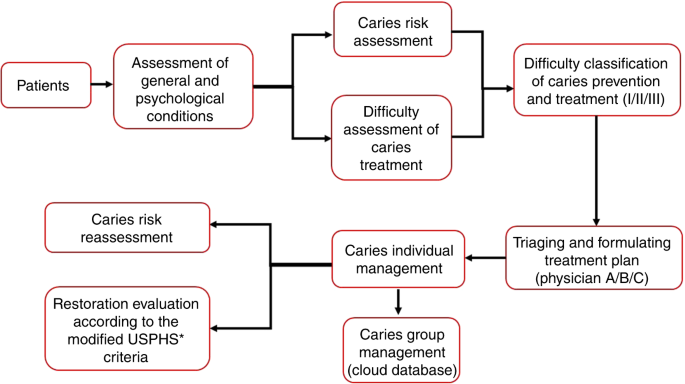
Expert consensus on dental caries management

paythelady.61 shared this article with you from Inoreader

41368_2022_167_Fig1_HTML.png

International Journal of Oral Science, Published online: 31 March 2022; doi:10.1038/s41368-022-00167-3

Expert consensus on dental caries management
View on the web

Τετάρτη 30 Μαρτίου 2022