Δευτέρα 30 Μαΐου 2022

The public health burden of geriatric trauma: Analysis of 2,688,008 hospitalizations from Centers for Medicare and Medicaid Services inpatient claims

alexandrossfakianakis shared this article with you from Inoreader
imageBACKGROUND Geriatric trauma care (GTC) represents an increasing proportion of injury care, but associated public health research on outcomes and expenditures is limited. The purpose of this study was to describe GTC characteristics, location, diagnoses, and expenditures. METHODS Patients at short-term nonfederal hospitals, 65 years or older, with ≥1 injury International Classification of Diseases, Tenth Revision, were selected from 2016 to 2019 Centers for Medicare and Medicaid Services Inpatient Standard Analytical Files. Trauma center levels were linked to Inpatient Standard Analytical Files data via American Hospital Association Hospital ID and fuzzy string matching. Demographics, care location, diagnoses, and expenditures were compared across groups. RESULTS A total of 2,688,008 hospitalizations (62% female; 90% White; 71% falls; mean Injury Severity Score, 6.5) from 3,286 hospitals were included, comprising 8.5% of all Medicare inpatient hospitalizations. Level I centers encompassed 7.2% of the institutions (n = 236) but 21.2% of hospitalizations, while nontrauma centers represented 58.5% of institutions (n = 1,923) and 37.7% of hospitalizations. Compared with nontrauma centers, patients at Level I centers had higher Elixhauser scores (9.0 vs. 8.8) and Injury Severity Score (7.4 vs. 6.0; p
View on Web

Factors associated with limitation of care after fatal injury

alexandrossfakianakis shared this article with you from Inoreader
imageBACKGROUND There is variability in end-of-life care of trauma patients. Many survive resuscitation but die after limitation of care (LoC). This study investigated LoC at a level I center. METHODS Adult trauma deaths between January 2016 and June 2020 were reviewed. Patients were stratified into "full code" versus any LoC (i.e., do not resuscitate, no escalation, or withdrawal of care) and by timing to LoC. Emergency department and "brain" deaths were excluded. Unadjusted logistic regression and Cox proportional hazards were used for analyses. Results include n (%) and odds ratios (ORs) with 95% confidence intervals (CIs), with α = 0.05. RESULTS A total of 173 patients were included; 15 patients (8%) died full code and 158 (91%) died after LoC. Seventy-seven patients (48%) underwent incremental LoC. Age (OR, 1.05; 95% CI, 1.02–1.08; p = 0.0010) and female sex (OR, 3.71; 95% CI, 1.01–13.64; p = 0.0487) increased the odds of LoC; number of anatomic injuries (OR, 0.91; 95% CI, 0.85–0.98; p = 0.0146), chest injuries (Abbreviated Injury Scale [AIS] score chest, >3) (OR, 0.02; 95% CI, 0.01–0.26; p = 0.0021), extremity injury (AIS score, >3) (OR, 0.08; 95% CI, 0.01–0.64; p = 0.0170), and hospital complications equal to 1 (OR, 0.21; 95% CI, 0.06–0.78; p = 0.0201) or ≥2 (OR, 0.19; 95% CI, 0.04–0.87; p = 0.0319) decreased the odds of LoC. For those having LoC, final limitations were implemented in
View on Web

Are burns a chronic condition? Examining patient reported outcomes up to 20 years after burn injury—A Burn Model System National Database investigation

alexandrossfakianakis shared this article with you from Inoreader
imageBACKGROUND People living with burn injury often face long-term physical and psychological sequelae associated with their injuries. Few studies have examined the impacts of burn injuries on long-term health and function, life satisfaction, and community integration beyond 5 years postinjury. The purpose of this study was to examine these outcomes up to 20 years after burn injury. METHODS Data from the Burn Model System National Longitudinal Database (1993–2020) were analyzed. Patient-reported outcome measures were collected at discharge (preinjury status recall) and 5 years, 10 years, 15 years, and 20 years after injury. Outcomes examined were the SF-12/VR-12 Physical Component Summary and Mental Component Summary, Satisfaction with Life Scale, and Community Integration Questionnaire. Trajectories were developed using linear mixed models with repeated measures of outcome scores over time, controlling for demographic and clinical variables. RESULTS The study population included 421 adult burn survivors with a mean age of 42.4 years. Lower Physical Component Summary scores (worse health) were associated with longer length of hospital stay, older age at injury and greater time since injury. Similarly, lower Mental Component Summary scores were associated with longer length of hospital stay, female sex, and greater time since injury. Satisfaction with Life Scale scores decrease negatively over time. Lower Community Integration Questionnaire scores were associated with burn size and Hispanic/Latino ethnicity. CONCLUSION Burn survivors' physical and mental health and satisfaction with life worsened over time up to 20 years after injury. Results strongly suggest that future studies should focus on long-term follow-up where clinical interventions may be necessary. LEVEL OF EVIDENCE Prognostic and Epidemiologic; Level III.
View on Web

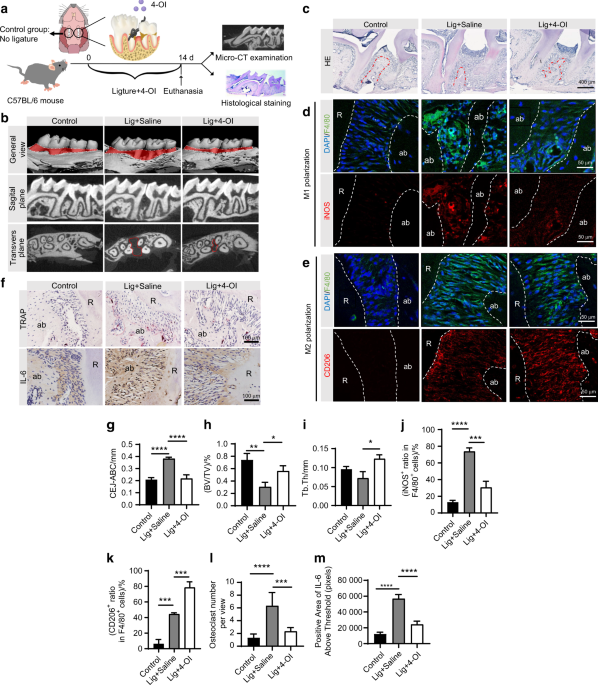
Four-Octyl itaconate ameliorates periodontal destruction via Nrf2-dependent antioxidant system

alexandrossfakianakis shared this article with you from Inoreader

41368_2022_177_Fig1_HTML.png

View on Web

Κυριακή 29 Μαΐου 2022

Call me maybe: Risk factors of impaired social contact during the COVID‐19 pandemic and associations with well‐being

alexandrossfakianakis shared this article with you from Inoreader

Abstract

The COVID-19 pandemic caused major societal changes worldwide, with the most notable being lockdowns and restrictions on social contact. We conducted a longitudinal study (total n = 1907) in Germany with two time points to (1) identify demographic risk factors of impaired social contact during the pandemic, as well as investigate potential consequences of (2) impaired social contact and (3) different modes of communication on individuals' well-being during the first lockdown in spring 2020. Results indicate that particularly individuals living alone and being unable to work reported a lower frequency of (face-to-face) contact in comparison with participants living with others or working. Impaired social contact was indirectly associated with a negative development in well-being (life satisfaction, anxiety and depression) over time, and this relation was mediated via relatedness. Moreover, the frequency of face-to-face and phone communication during lockdown was po sitively associated with relatedness and well-being; however, digital communication was not. The findings stress the importance of maintaining social contact in times of social distancing and of fostering reconnection between individuals once the pandemic is over.

View on Web

Long-term results of slide laryngotracheoplasty for congenital subglottic stenosis in newborns and infants

alexandrossfakianakis shared this article with you from Inoreader

1-s2.0-S0165587622X00050-cov150h.gif

Publication date: July 2022

Source: International Journal of Pediatric Otorhinolaryngology, Volume 158

Author(s): Eszter Erdélyi, Ádám Bach, Balázs Sztanó, Péter Gál, Kishore Sandu, Csaba Bereczki, László Rovó

View on Web

Adapting narrative exposure therapy with a tribal community: A community‐based approach

alexandrossfakianakis shared this article with you from Inoreader

Abstract

Objective

American Indian (AI) individuals are at increased risk for present-day trauma exposure and associated negative outcomes, as well as ongoing effects of intergenerational trauma exposure and adversity. However, few empirically supported treatments exist that are specifically tailored and/or tested with AI communities. This study describes the process of selecting, adapting, and implementing narrative exposure therapy (NET) with an AI community.

Methods

A community and academic partnership was formed and worked together to make culturally mindful changes to NET to best fit the needs of the community. The partnership incorporated community leaders/Elders (n = 7), providers (n = 11), and participants seeking treatment (n = 50) to implement an iterative process of adapting and implementing the adapted form of NET.

Results

Key adaptions included addressing historical and intergenerational trauma, greater protections for confidentiality in a small community, and incorporation of cultural customs and traditions. Overall, the adapted form of NET was favorably received by the participants, and the implementation appeared to be feasible, with improved retention over past trials of adapted trauma-focused treatments with this community and with highly positive satisfaction ratings and feedback.

Conclusions

NET was shown to be an appropriate approach for this AI community and should be considered as a treatment option for other AI communities. Future work should consider strategies outlined in this adaption as well as following a similar process for working with AI communities to implement culturally appropriate interventions for trauma-related symptoms.

View on Web