Δευτέρα 20 Ιουνίου 2022

The first-in-human phase I study of a brain penetrant mutant IDH1 inhibitor DS-1001 in patients with recurrent or progressive IDH1-mutant gliomas

alexandrossfakianakis shared this article with you from Inoreader
Abstract
Background
Approximately 70% of lower-grade gliomas harbor isocitrate dehydrogenase 1 (IDH1) mutations, resulting in accumulation of oncometabolite D-2-hydroxyglutarate (D-2-HG); this leads to epigenetic dysregulation, oncogenesis, and subsequent clonal expansion. DS-1001 is an oral brain-penetrant mutant IDH1 selective inhibitor. This first-in-human study investigated the safety, pharmacokinetics, pharmacodynamics, and efficacy of DS-1001.
Methods
This was a multicenter, open-label, dose-escalation, phase I study of DS-1001 for recurrent/progressive IDH1-mutant (R132) glioma (N = 47) (NCT03030066). DS-1001 was administered orally at 125–1400 mg twice daily. Dose escalation used a modified continual reassessment method.
Results
The maximum tolerated dose was not reached. Eight patients were continuing treatment at the data cut-off. Most adverse events (AEs) were grade 1–2. Twenty patients (42.6%) experienced a t least one grade 3 AE. No grade 4 or 5 AEs or serious drug-related AEs were reported. Common AEs (>20%) were skin hyperpigmentation, diarrhea, pruritus, alopecia, arthralgia, nausea, headache, rash, and dry skin. The objective response rates were 17.1% for enhancing tumors and 33.3% for non-enhancing tumors. Median progression-free survival was 10.4 months (95% confidence interval [CI], 6.1 to 17.7 months) and not reached (95% CI, 24.1 to not reached) for the enhancing and non-enhancing glioma cohorts, respectively. Seven on-treatment brain tumor samples showed a significantly lower amount of D-2-HG compared with pre-study archived samples.
Conclusions
DS-1001 was well-tolerated with a favorable brain distribution. Recurrent/progressive IDH1-mutant glioma patients responded to treatment. A study of DS-1001 in patients with chemotherapy- and radiotherapy-naïve IDH1-mutated WHO grade 2 glioma is ongoing (NCT04458272).

View on Web

Impact of oral motor task training on corticomotor pathways and diadochokinetic rates in young healthy participants

alexandrossfakianakis shared this article with you from Inoreader

Abstract

Background

Studies addressing the training-induced neuroplasticity and interrelationships of the lip, masseter, and tongue motor representations in the human motor cortex using single syllable repetition are lacking.

Objective

This study investigated the impact of a repeated training in a novel PaTaKa diadochokinetic (DDK) orofacial motor task (OMT) on corticomotor control of the lips, masseter, and tongue muscles in young healthy participants.

Methods

A total of 22 young healthy volunteers performed 3 consecutive days of training in an OMT. Transcranial magnetic stimulation was applied to elicit motor evoked potentials (MEPs) from the lip, masseter, tongue, and first dorsal interosseous (FDI, internal control) muscles. MEPs were assessed by stimulus-response curves and corticomotor mapping at baseline and after OMT. The DDK rate from PaTaKa single syllable repetition and numeric rating scale (NRS) scores were also obtained at baseline and immediately after each OMT. Repeated-measures analysis of variance was used to detect differences at a significance level of 5%.

Results

There was a significant effect of OMT and stimulus intensity on the lips, masseter, and tongue MEPs compared to baseline (P < 0.001), but not FDI MEPs (P > 0.05). OMT increased corticomotor topographic maps area (P < 0.001), and DDK rates (P < 0.01).

Conclusion

Our findings suggest that 3 consecutive days of a repeated PaTaKa training in an OMT can induce neuroplastic changes in the corticomotor pathways of orofacial muscles, and it may be related to mechanisms underlying the improvement of orofacial fine motor skills due to short-term training. The clinical utility should now be investigated.

View on Web

miRNAs as potential diagnostic biomarkers and pharmacogenomic indicators in psychiatric disorders

alexandrossfakianakis shared this article with you from Inoreader

The Pharmacogenomics Journal, Published online: 20 June 2022; doi:10.1038/s41397-022-00283-7

miRNAs as potential diagnostic biomarkers and pharmacogenomic indicators in psychiatric disorders
View on Web

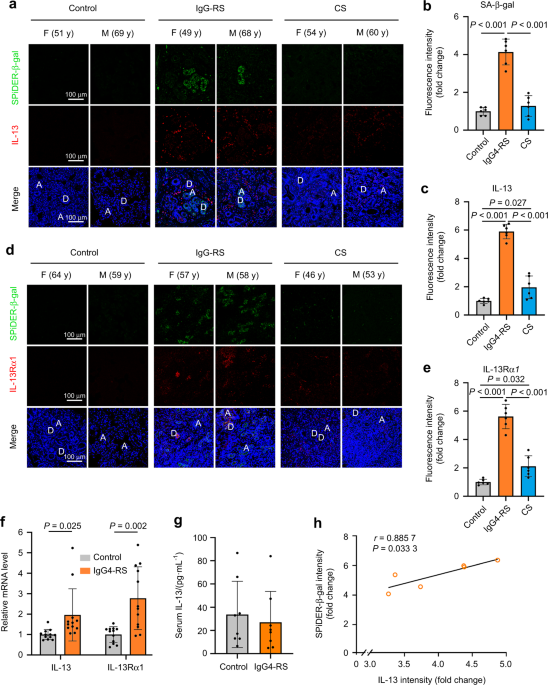
Interleukin-13 promotes cellular senescence through inducing mitochondrial dysfunction in IgG4-related sialadenitis

alexandrossfakianakis shared this article with you from Inoreader

41368_2022_180_Fig1_HTML.png

International Journal of Oral Science, Published online: 20 June 2022; doi:10.1038/s41368-022-00180-6

Interleukin-13 promotes cellular senescence through inducing mitochondrial dysfunction in IgG4-related sialadenitis
View on Web

Entwicklung und Evaluation eines Simulators für die endoskopische Nasennebenhöhlenoperation

alexandrossfakianakis shared this article with you from Inoreader

Laryngorhinootologie
DOI: 10.1055/a-1841-6328

Hintergrund Endoskopische Operationsverfahren haben sich als Goldstandard in der Nasennebenhöhlen (NNH)-Chirurgie etabliert. Den sich daraus ergebenden Herausforderungen für die chirurgische Ausbildung kann durch den Einsatz von Virtuelle-Realität (VR)-Trainingssimulatoren begegnet werden. Bislang wurde eine Reihe von Simulatoren für NNH-Operationen entwickelt. Frühere Studien im Hinblick auf den Trainingseffekt wurden jedoch nur mit medizinisch vorgebildeten Probanden durchgeführt oder es wurde nicht über dessen zeitlichen Verlauf berichtet. Methoden Ein NNH-CT-Datensatz wurde nach der Segmentierung in ein 3-dimensionales, polygonales Oberflächenmodell überführt und mithilfe von originalem Fotomaterial texturiert. Die Interaktion mit der virtuellen Umgebung erfolgte über ein haptisches Eingabegerät. Während der Simulation wurden die Parameter Eingriffsdauer und Fehleranzahl erfasst. Zehn Probanden absolvierten jeweils eine Trainingseinheit bestehend aus je 5 Übungsdurchläufen an 10 aufeinanderfolgenden Tagen. Ergebnisse Vier Probanden verringerten die benötigte Zeit um mehr als 60% im Verlauf des Übungszeitraums. Vier der Probanden verringerten ihre Fehleranzahl um mehr als 60%. Acht von 10 Probanden zeigten eine Verbesserung bezüglich beider Parameter. Im Median wurde im gesamten gemessenen Zeitraum die Dauer des Eingriffs um 46 Sekunden und die Fehleranzahl um 191 reduziert. Die Überprüfung eines Zusammenhangs zwischen den 2 Parametern ergab eine positive Korrelation. Schlussfolgerung Zusammenfassend lässt sich feststellen, dass das Training am NNH-Simulator auch bei unerfahrenen Personen die Performance beträchtlich verbessert, sowohl in Bezug auf die Dauer als auch auf die Genauigkeit des Eingriffs.
[...]

Georg Thieme Verlag KG Rüdigerstraße 14, 70469 Stuttgart, Germany

Article in Thieme eJournals:
Table of contents  |  Abstract  |  Full text

View on Web

Κυριακή 19 Ιουνίου 2022

COL4A1-related brain small-vessel disease, Intracranial Cortical Calcifications

What is COL4A1 disease?
COL4A1-related brain small-vessel disease is characterized by weakening of the blood vessels in the brain. Stroke is often the first symptom of this condition, typically occurring in mid-adulthood.

What is the COL4A1 gene?
The COL4A1 gene provides instructions for making one component of type IV collagen, which is a flexible protein important in the structure of many tissues throughout the body. Specifically, this gene makes the alpha1(IV) chain of type IV collagen.

Patients with chronic parathyroid dysfunction often have intracranial calcification in deep gray matter (GM) and subcortical white matter

What are the symptoms of brain calcification?
Muscle cramping (dystonia), uncontrollable spasmodic irregular movements (chorea), and seizures can also occur. Occasional symptoms include sensory changes, headaches and urinary incontinence. Associated symptoms include loss of contact with reality (psychosis), mood swings and loss of acquired motor skills.

#
Medicine by Alexandros G. Sfakianakis,Anapafseos 5 Agios Nikolaos 72100 Crete Greece,00302841026182,00306932607174,alsfakia@gmail.com,

A proposed algorithm for evaluation and management of pediatric hemophilia patients who present to the emergency department with head trauma

alexandrossfakianakis shared this article with you from Inoreader

Abstract

Hemophilia is the deficiency of plasma clotting factor VIII (hemophilia A) or IX (hemophilia B) where management focuses on the prevention and treatment of acute bleeding symptoms and their sequelae. The most concerning risk is for life-threatening bleeding, including intracranial hemorrhage (ICH), which is caused by head trauma. Guidelines exist for the evaluation and management of pediatric head trauma, including the Pediatric Emergency Care Applied Research Network (PECARN) protocol, but limited evidence exists for when hemophilia patients present to the emergency department (ED), specifically with head trauma. Literature is limited regarding ICH and hemophilia, which further supports the culture of uncertainty among providers. The objective of this study is to conduct a retrospective chart review to determine the prevalence and clinical characteristics of ICH, and to describe computed tomography (CT) scan use in hemophilia patients who present to Phoenix Children's Hospital (P CH) ED with head trauma from January 1, 2007 to June 1, 2019. A total of 89 ED visits and 43 patients met inclusion criteria, and prevalence of ICH was determined to be 4% with the patients presenting with varied clinical characteristics and few commonalities. Using these data, we propose a new algorithm to aid clinicians in determining the need for CT scan in pediatric hemophilia patients who present to the ED with head trauma.

View on Web